The reading room · Astrology
No birth time? Here’s what you can still read.
You can begin with the birth date and place you know. Without a reliable time, some placements remain uncertain, and the rising sign and houses cannot be read as settled positions.
What can you look at first?
Start with the available planetary signs. A sign may stay the same throughout the date, or change during it; the Moon is one placement to check carefully. Meet G’s time-unknown view shows possible signs across the birth date and leaves out precise degrees.
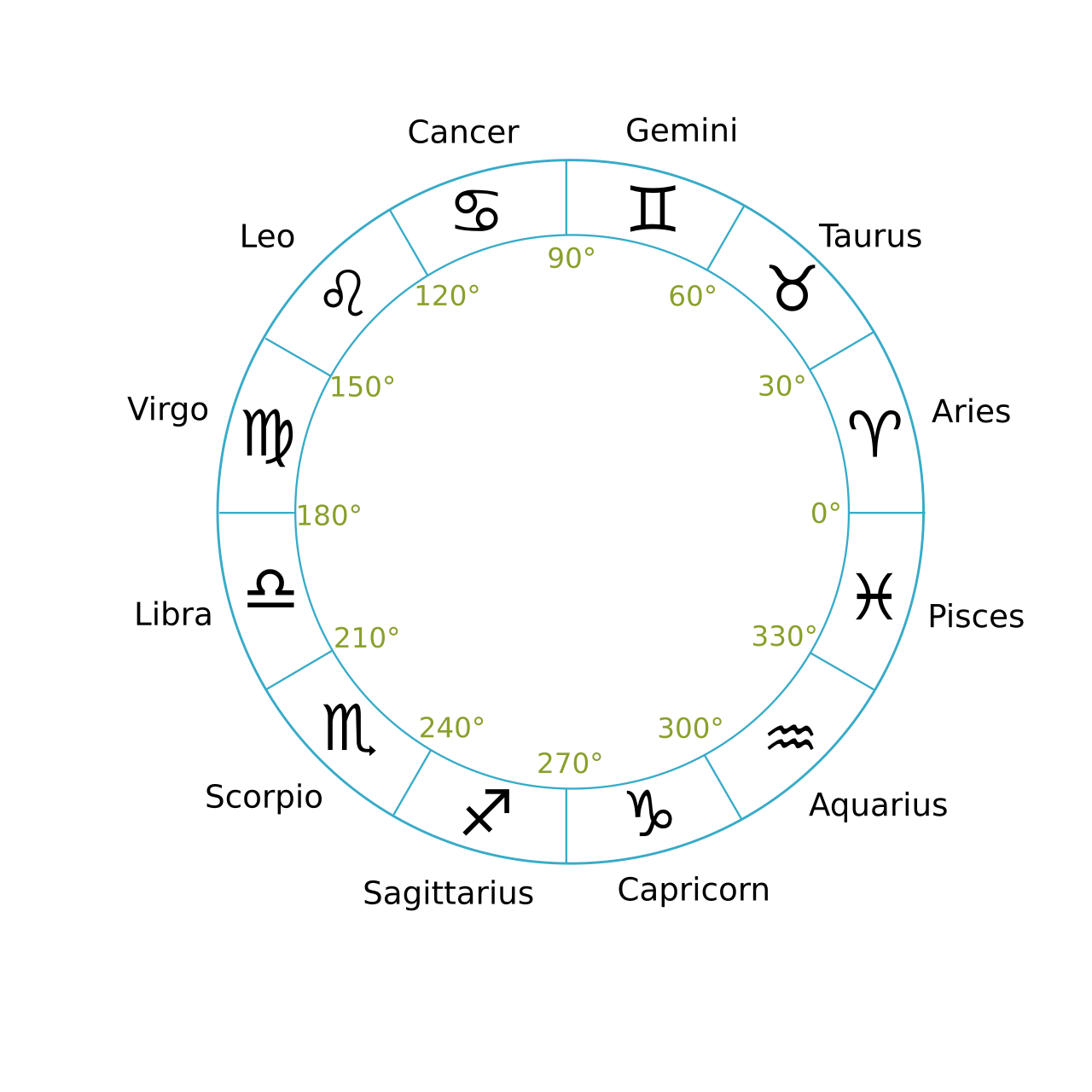
A sign is not a houseKnowing a planet’s sign does not establish its house.
Some positions need a timeThe rising sign and houses depend on the birth time and place.
Read the uncertainty tooIf two signs are possible that day, keep both possibilities visible.
The birth chart guide explains how planets, signs and houses fit together.
Why not just enter noon?
Suppose a relative remembers “sometime in the morning”. Entering 12:00 gives the calculation a specific time, but it does not make that time reliable. You could end up reading a rising sign or house placement based on an assumption you no longer notice.
Keep the original wording somewhere you can return to. A birth record or a family member who was there may help you narrow it down. If records disagree, keep that disagreement visible rather than choosing the time that produces a reading you prefer.
How Meet G handles an unknown time
Choose the time-unknown option when entering your birth details. The chart can show the available sign information, while rising, houses and aspect lines are hidden. The 3D view needs complete birth information; City and personal transit exploration also need a known birth time.
You can add a reliable time to your profile later and revisit the chart. For now, the tarot feature offers another place to begin without birth information.
Does remembering an hour solve it?
An approximate hour is useful context, but it is still approximate. Near a boundary, even a small change can matter. Avoid treating a family recollection as minute-accurate, and check the information before drawing detailed conclusions about houses or relocation charts.
For example, “between 8 and 10 in the morning” is a two-hour window, not a verified 9:00 birth. Keep the original range with its source. Entering the midpoint does not establish the rising sign or houses; if the time remains uncertain, the time-unknown view keeps that distinction clear.
Birth chart basics
Find your way around planets, signs and houses, and understand why a birth time changes what you can read.
Inside Meet GBirth charts
Explore your natal chart in 3D or as a wheel, read planetary placements and talk with G. Learn which birth details you need and what an unknown time changes.
CityRelocation charts, explained
Learn what changes in a relocation chart, what stays the same, and why an accurate birth time matters for City.